

After a storm, safety comes first—wait until conditions are secure before evaluating damage. Document all roof damage with clear photos and videos for insurance purposes. Install temporary tarps to prevent further water intrusion while avoiding dangerous self-repairs. Contact your insurance provider within 24-48 hours with policy details ready. Schedule professional inspections and gather multiple repair quotes from licensed contractors. The following steps will guide homeowners through this challenging process with confidence.
Key Takeaways
- Ensure personal safety by waiting for authorities to declare the area safe before approaching your storm-damaged roof.
- Document all visible damage with clear photographs and videos before making any temporary repairs.
- Install heavy-duty tarps over damaged roof areas to prevent further water intrusion and secondary damage.
- Contact your insurance provider within 24-48 hours with policy information and photographic evidence.
- Place buckets under active leaks, move valuable items away from damaged areas, and remove debris from gutters.
Assess Your Safety Before Anything Else

When is the right time to inspect roof damage after a storm? The answer is simple: only after ensuring personal safety. Homeowners should wait until authorities have declared the area safe and storm conditions have completely subsided.
Before attempting any inspection, residents should prepare proper safety equipment including sturdy footwear, gloves, and a hard hat. Fallen power lines, structural weaknesses, and slippery surfaces pose significant hazards that require caution and appropriate gear.
Keep an emergency kit accessible containing a flashlight, first aid supplies, and a cell phone. Document damage from a safe distance initially, and never climb onto a compromised roof structure.
Remember that professional assessment is always preferable to personal inspection when significant damage is suspected. Safety must remain the priority throughout the recovery process.
Document All Visible Damage With Photos and Videos
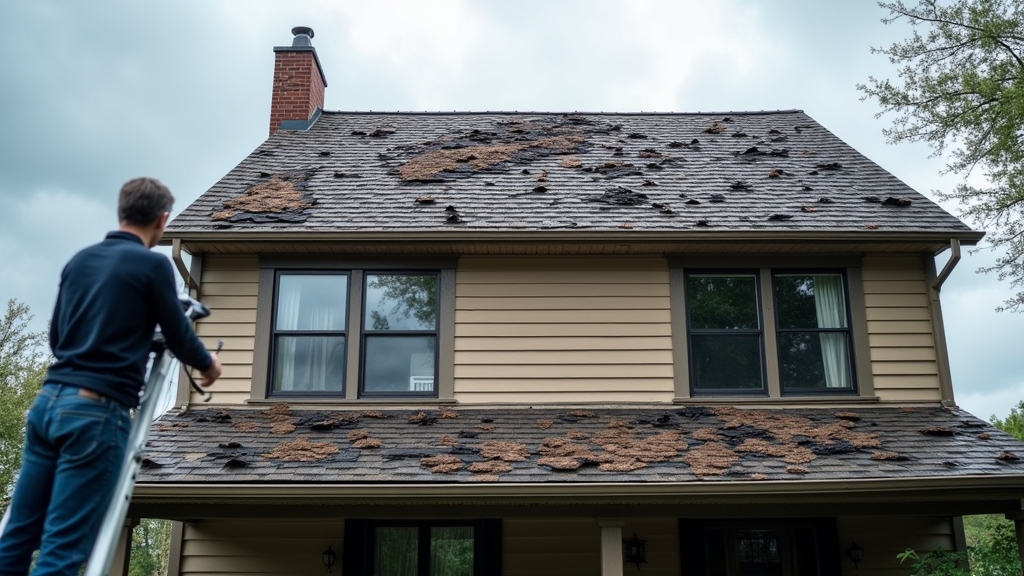
Thorough documentation serves as critical evidence for insurance claims following storm damage. Homeowners should capture detailed visual evidence of all affected areas, including wide shots of the entire roof and close-ups of specific damage points like missing shingles, dents, or debris impact.
Comprehensive photographic evidence creates an undeniable record of storm damage for insurance claims.
When collecting damage documentation, remember these key practices:
- Use good lighting and clear angles
- Include date stamps when possible
- Photograph interior damage caused by roof failures
- Record video with narration explaining what is being shown
- Document damaged personal property
- Take before-and-after photos if possible
This visual evidence creates an indisputable record of the damage extent, strengthening the homeowner’s position during the claims process and helping contractors understand the full scope of necessary repairs.
Perform Emergency Temporary Repairs When Possible
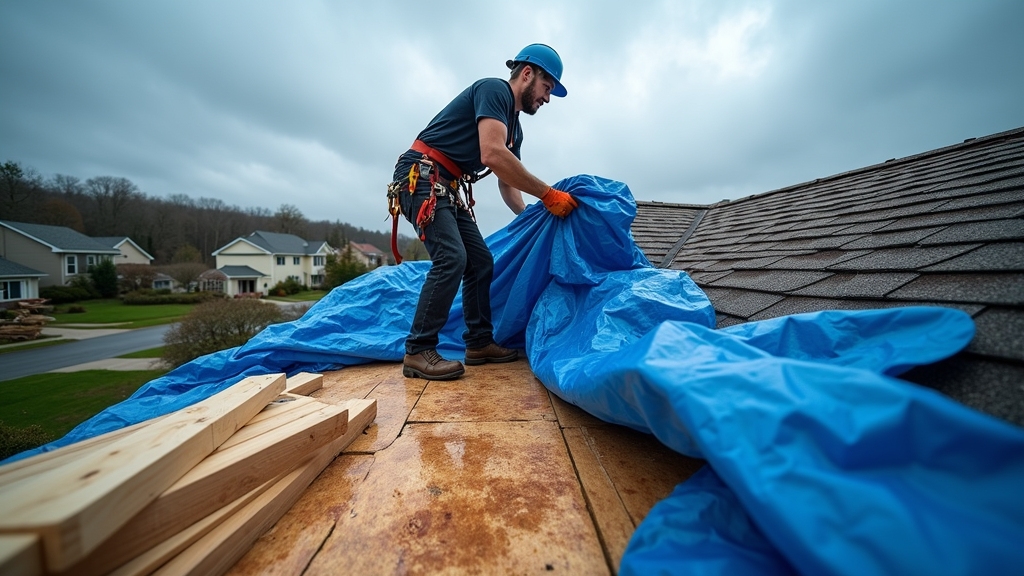
Emergency repairs following storm damage require a careful safety-first approach before attempting any work on a compromised roof.
Homeowners can install a temporary tarp over damaged areas by securing it with lumber strips across unshingled sections to prevent further water intrusion.
Proper temporary patches should maintain integrity until professional repairs can be completed, with safety always taking precedence over attempts at DIY solutions in hazardous conditions.
Safety First Approach
After a severe storm has passed, homeowners should prioritize safety above all other concerns.
Before inspecting or attempting any repairs on a storm-damaged roof, proper safety gear including sturdy footwear, gloves, hard hats, and eye protection is essential. Homeowners should never climb onto a wet or compromised roof structure, which could lead to severe injuries.
An emergency plan should be established prior to any assessment work. This includes ensuring the power is disconnected if there is water infiltration, using extension ladders that extend at least three feet above the roof edge, and having a partner present when inspections are conducted.
If significant structural damage is visible, homeowners should wait for professional assessment rather than risking personal injury by attempting to navigate unstable surfaces.
DIY Tarp Installation
Securing a tarp over damaged roof sections provides immediate protection against water infiltration until professional repairs can be completed. Homeowners should gather appropriate tarp materials including a heavy-duty waterproof tarp that extends at least 4 feet beyond the damaged area on all sides, 2×4 lumber pieces, nails, and cordage.
Effective installation techniques include sweeping away debris before placement and securing the tarp’s edges with lumber rather than nailing directly into the roof membrane. The tarp should be pulled taut with no sagging areas where water might pool.
Position the top edge of the tarp over the roof ridge and secure it on the undamaged side to prevent water from flowing underneath.
For steeper roofs, homeowners should consider hiring professionals rather than risking personal safety.
Contact Your Insurance Provider Immediately
When storm damage compromises your roof, contacting your insurance provider should be your next critical step after ensuring personal safety. Prompt notification allows insurers to process your insurance claim efficiently and initiate the assessment procedure. Homeowners should have policy details readily accessible, including policy number and coverage limits.
| Action Step | Timeframe | Documentation Needed |
| Initial Call | Within 24-48 hours | Policy number, date of damage |
| Photo Documentation | Before repairs | Clear images of all damage |
| Adjuster Visit | 1-7 days after claim | Repair estimates if available |
| Claim Follow-up | Weekly until resolved | Communication records |
Most insurance companies provide emergency claims hotlines for storm situations. Taking detailed notes during all conversations with insurance representatives helps prevent misunderstandings and creates a record of the claim process, which may prove valuable if disputes arise.
Hire a Professional Roof Inspector for Thorough Assessment
While insurance companies send adjusters to evaluate damage, homeowners benefit greatly from hiring an independent professional roof inspector before this assessment occurs. A qualified inspector provides an unbiased evaluation of all damage, often identifying issues that insurance adjusters might overlook during brief assessments.
The roof inspection benefits include detailed documentation of every damaged area, professional photographs, and expert recommendations that strengthen insurance claims.
When choosing inspectors, homeowners should verify credentials, experience with storm damage, and familiarity with local building codes. Select professionals who offer thorough written reports and are willing to communicate directly with insurance companies if necessary.
This proactive approach guarantees homeowners receive fair compensation for all legitimate storm damage and helps prevent denied claims based on incomplete assessments.
Watch for Hidden Signs of Water Damage Inside Your Home
Water damage from roof leaks often manifests as yellowish stains on ceilings before causing visible structural problems.
Homeowners should examine their attic space first when ceiling discoloration appears, as this area provides the earliest indications of roof penetration.
Regular inspection of ceiling surfaces throughout the home, particularly after severe weather events, can help identify potential roof damage before it leads to costly repairs.
Ceiling Stains Alert
How often do homeowners overlook the subtle warnings their ceilings provide after a severe storm? Discolored patches, yellowish-brown rings, or bubbling paint represent critical indicators of roof damage that demand immediate attention.
Ceiling leaks rarely manifest immediately after damage occurs. Instead, water gradually seeps through compromised roofing materials, creating water stains that expand over time. These seemingly minor blemishes indicate potentially serious structural issues developing above.
Homeowners should regularly scan ceilings, particularly after significant weather events, paying special attention to corners, areas around light fixtures, and spots near chimneys or vents.
A flashlight directed at a shallow angle across the ceiling surface can reveal slight discolorations otherwise missed. Upon discovering any suspect areas, mark their boundaries with chalk to monitor expansion and contact a professional roofer promptly.
Attic Inspection First
Before contacting roofing professionals, homeowners should conduct a thorough attic inspection to identify storm damage that might not yet be visible on interior ceilings. Using a flashlight, examine rafters, sheathing, and insulation for moisture or discoloration.
| Area to Check | What to Look For | Action Needed |
| Roof Deck | Dark stains, wet spots | Document with photos |
| Attic Ventilation | Blocked vents, damaged baffles | Clear debris, check airflow |
| Insulation | Compression, dampness | Mark wet areas for replacement |
Proper attic ventilation prevents condensation that can mimic leak damage. An insulation assessment should note any materials that appear matted or discolored. Homeowners should document findings with dated photographs before moving or disturbing any materials, as these will provide valuable evidence when filing insurance claims for storm-related roof damage.
Obtain Multiple Repair Quotes From Licensed Contractors
Several reputable contractors should be consulted before committing to roof repairs after storm damage. Homeowners should aim to collect at least three repair estimates to compare scope of work, materials, timelines, and costs.
Each estimate should itemize materials, labor, and potential additional expenses that might arise during repairs.
When evaluating contractors, verification of credentials is essential. Legitimate roofing professionals should readily provide proof of licensing, insurance coverage, and bonding.
Homeowners should request references from previous clients with similar storm damage repairs and verify the contractor’s standing with local business bureaus.
Comparing multiple quotes not only guarantees competitive pricing but also reveals discrepancies in damage assessment.
Reputable contractors will thoroughly explain their findings and recommended solutions without applying undue pressure for immediate decisions.
Understand Your Insurance Coverage and Claim Process
When disaster strikes, many homeowners discover too late that their insurance policies contain coverage limitations for storm-related roof damage.
Understanding your insurance policy before filing a claim can prevent unwelcome surprises and expedite the repair process.
Follow these steps for a smoother claim submission:
- Review your policy’s specific roof coverage, including depreciation calculations, deductible amounts, and exclusions for certain types of storm damage.
- Document all damage with detailed photographs and videos before temporary repairs.
- File your claim promptly, as many policies impose strict time limitations.
- Request a written scope of damage from your insurance adjuster to compare with contractor estimates.
Most insurers allow policyholders to dispute insufficient settlement offers through a formal appeal process, which may require independent assessment documentation.
Prevent Secondary Damage While Awaiting Repairs
After a storm damages your roof, prompt action becomes crucial to minimize secondary issues that can multiply repair costs. Homeowners should immediately apply temporary weatherproofing techniques to prevent water infiltration. Securing heavy-duty tarps over damaged areas can provide short-term protection until professional repairs commence.
Remove debris carefully from gutters and downspouts to guarantee proper drainage, preventing water accumulation that could seep under shingles.
Interior preventive maintenance includes placing buckets under active leaks and moving valuable items away from compromised ceiling areas.
Document all temporary repairs with photographs for insurance purposes. Regularly inspect these temporary measures, particularly after additional rainfall, as stopgap solutions may degrade over time.
While awaiting permanent repairs, continued vigilance can considerably reduce the risk of structural damage, mold growth, and interior water damage.
Prepare Your Roof for Future Storms and Weather Events
Proactive maintenance stands as the cornerstone of storm-ready roof preparation, considerably reducing vulnerability to severe weather damage. Homeowners should implement strategic measures to fortify their roofing systems before adverse conditions arise, integrating storm resistant materials whenever possible.
Regular maintenance creates resilience against unpredictable weather patterns and extends roof longevity. Consider these essential preparation strategies:
- Schedule biannual professional inspections to identify and address potential vulnerabilities.
- Install impact-resistant shingles or metal roofing designed to withstand high winds and hail.
- Facilitate proper attic ventilation to prevent moisture accumulation and reduce thermal stress.
- Trim overhanging branches and secure loose objects that could become projectiles during storms.
These preventative measures considerably reduce repair costs while providing peace of mind during severe weather events, demonstrating that preparation consistently outperforms emergency response.
Frequently Asked Questions
How Long Can I Wait to Report Storm Damage?
Most insurance policies require storm damage assessment and claims within 30-60 days. Waiting beyond this timeframe may risk coverage denial as damage worsens or insurers question if damages resulted from the reported storm.
Will Filing a Claim Increase My Insurance Premiums?
Filing a claim may increase premiums, but this varies based on insurance premium factors like claim history, policy terms, and damage severity. The claim filing process itself is not automatically penalized by all insurers.
Can I Replace Only Damaged Shingles Instead of the Entire Roof?
Partial shingle replacement is possible for limited damage. However, matching colors can be difficult, and the entire roof may need replacement if damage is extensive. Regular roof maintenance extends the lifespan of existing shingles.
Are Solar Panels More Vulnerable to Storm Damage?
Solar panels can be vulnerable to storm damage, particularly from hail or flying debris. However, most modern panels feature enhanced solar panel durability with tempered glass and sturdy frames. Proper storm preparedness includes professional installation and regular maintenance.
Should I Remove Debris From My Roof Myself?
Homeowners should avoid removing roof debris themselves due to safety concerns. Professional assistance is recommended as trained roofers have proper equipment and safety precautions to prevent falls and further roof damage.
Final Thoughts
After a storm, acting quickly—and safely—is essential to protect your home and secure your insurance coverage. While documenting damage, installing temporary tarps, and contacting your insurer are crucial first steps, professional inspection and repair ensure nothing is missed. Even small leaks or loose shingles can evolve into costly structural issues if left untreated.
For reliable, prompt restoration, trust Premiere Roofing & Construction LLC. Our certified team specializes in storm damage roof repair, full roof replacement, and emergency roof installation services for both residential and commercial properties. We also offer expert support with insurance claims to help homeowners receive fair, timely settlements.
Don’t wait for secondary damage to escalate. Call 248-890-8622 today or contact Premiere Roofing & Construction LLC online to schedule your free roof inspection and estimate. Protect your home now and take advantage of our 10% discount on full roof installations—your peace of mind starts with a roof built to weather any storm.


